Thorin Announces Himself
Thorin Oakenshield, the exiled heir to the Kingdom under the Mountain, dramatically announces his identity and his return to the Master of Lake-town, an act that transforms the dwarves' fortunes from fugitives to celebrated heroes and sets the stage for the final phase of their quest.
Identity and Background
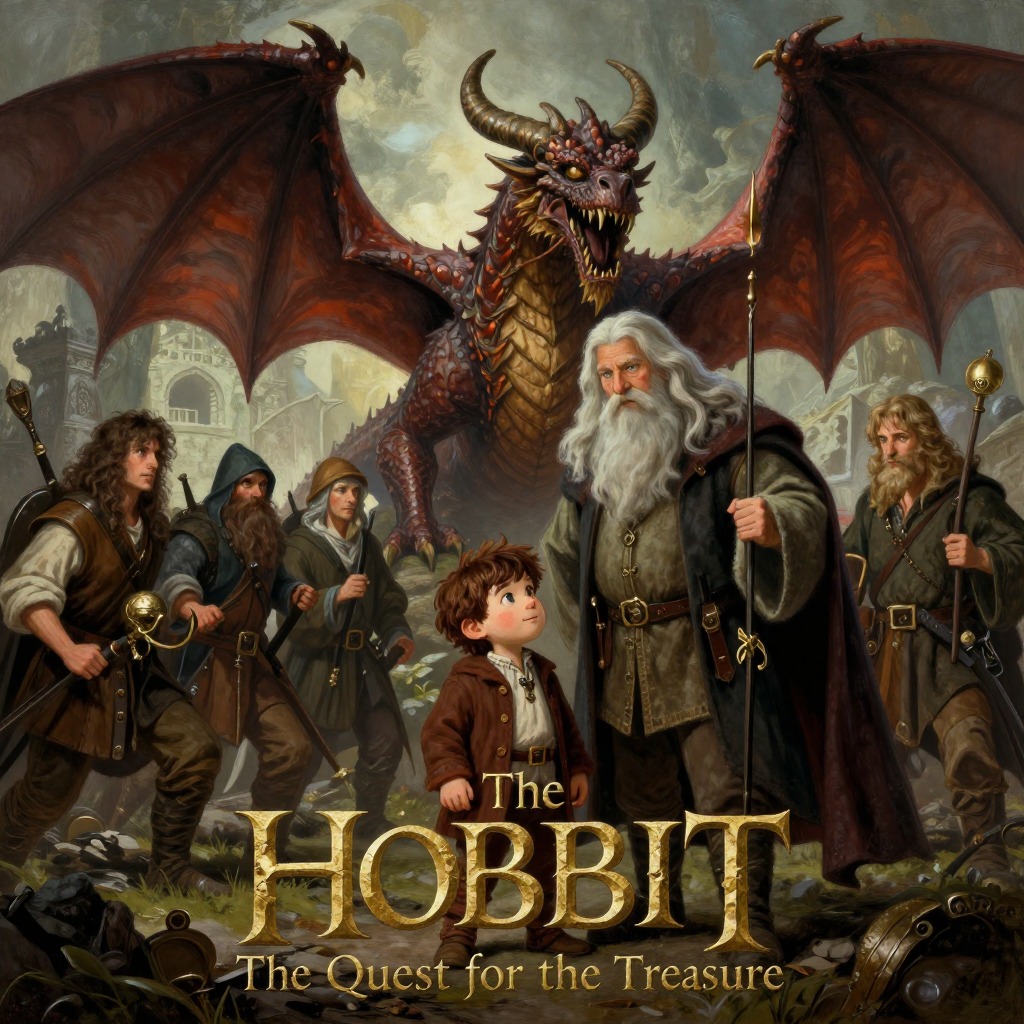
Thorin Oakenshield is the son of Thrain, son of Thror, the last King under the Mountain. His family was driven from their vast wealth in the Lonely Mountain by the dragon Smaug, who destroyed the nearby town of Dale and scattered the dwarves. For years, Thorin and his companions lived as wanderers, often reduced to blacksmith-work or coalmining, but they never forgot their stolen treasure. The quest to reclaim it, organized by the wizard Gandalf, brought Thorin and his company of twelve dwarves—and the reluctant hobbit Bilbo Baggins—across the Misty Mountains, through Mirkwood, and finally to the shores of the Long Lake.
The Declaration at Lake-town
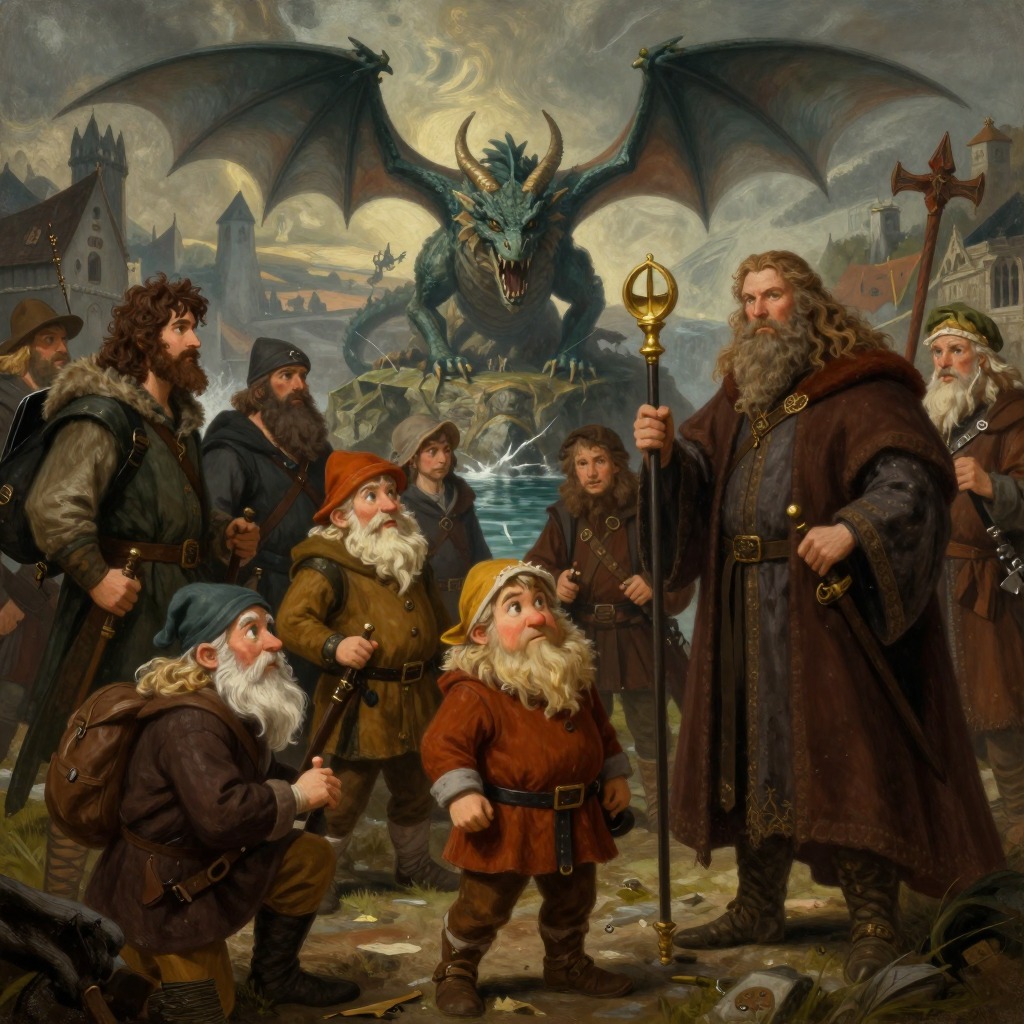
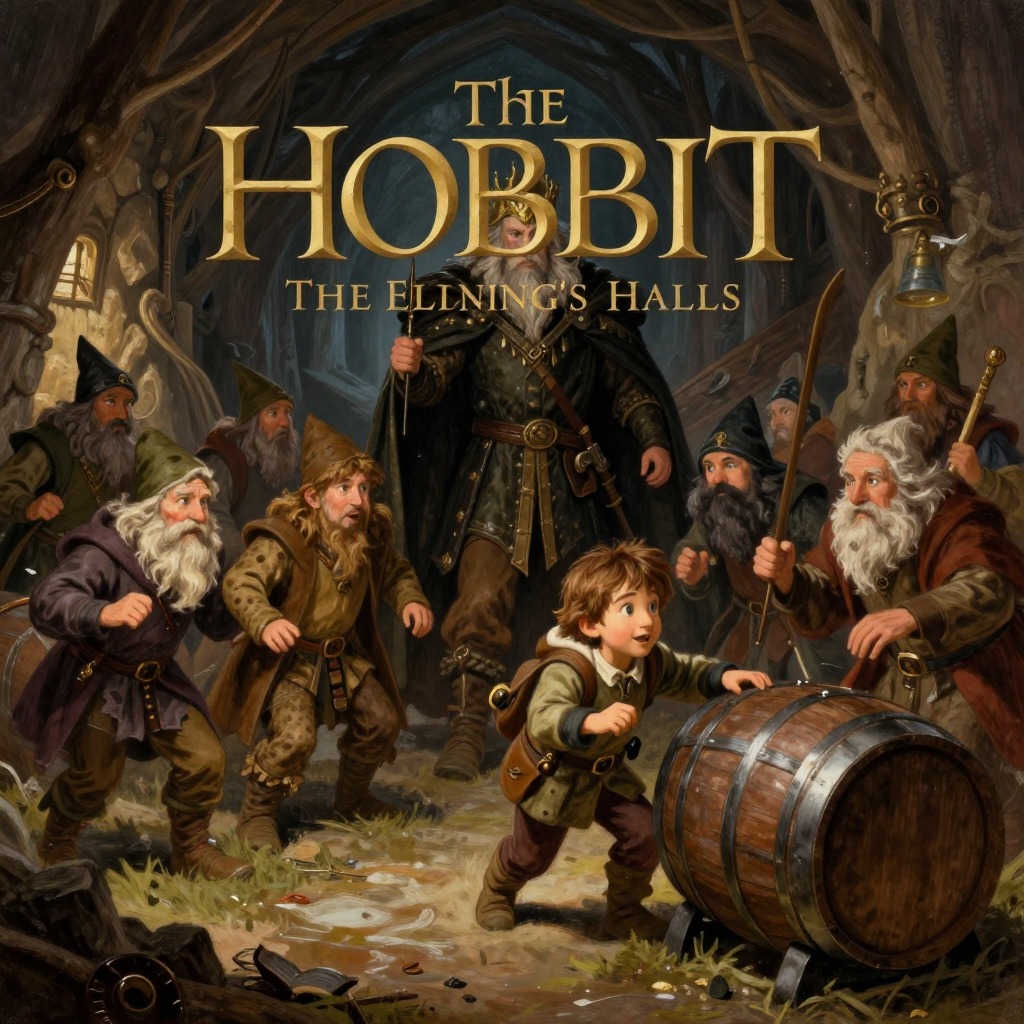
After escaping the dungeons of the Elvenking by floating down the Forest River in barrels, the dwarves arrived at Lake-town, cold, bruised, and starving. Thorin, accompanied by Fili, Kili, and Bilbo, approached the guards at the great bridge. When the captain of the guard demanded to know who they were, Thorin stepped forward and declared in a loud voice: "I am Thorin son of Thrain son of Thror King under the Mountain! I have come back. I wish to see the Master of your town!" The gold gleamed on his neck and waist, and his eyes were dark and deep, lending weight to his claim despite his torn clothes and draggled hood.
Immediate Consequences and Celebration
The announcement caused tremendous excitement. Some of the more foolish guards ran out of the hut as if they expected the Mountain to turn golden overnight. The captain of the guard, however, remained cautious, asking Thorin and his companions to lay down their arms. Thorin replied that they had none, as their knives had been taken by the Wood-elves. The captain then led them to the Master, who was at a feast. Thorin repeated his declaration from the door, and all leaped to their feet. The news spread like fire through the town. People began singing old songs about the return of the King under the Mountain, and the hall was filled with shouts and music. The Master, seeing the general clamor, had no choice but to give up his own great chair to Thorin and set Fili and Kili beside him in places of honor. Even Bilbo was given a seat at the high table.
Aftermath and Significance
The dwarves were given a large house, boats and rowers were put at their service, and crowds sat outside singing songs all day. Within a week, they were fully recovered, fitted out in fine cloth of their proper colors, with combed and trimmed beards. Thorin looked and walked as if his kingdom was already regained and Smaug chopped into little pieces. The dwarves' good feeling toward Bilbo grew stronger every day. However, the Wood-elves, who had been present at the feast, returned to their king with news of the escape, and the Elvenking, now knowing the dwarves' errand, sent out spies and waited. The Master, though outwardly cooperative, was inwardly skeptical and hoped the dwarves would soon leave. The declaration thus marked a turning point: it transformed the dwarves from hunted fugitives into celebrated figures, but it also alerted their enemies and set the stage for the conflicts to come.